
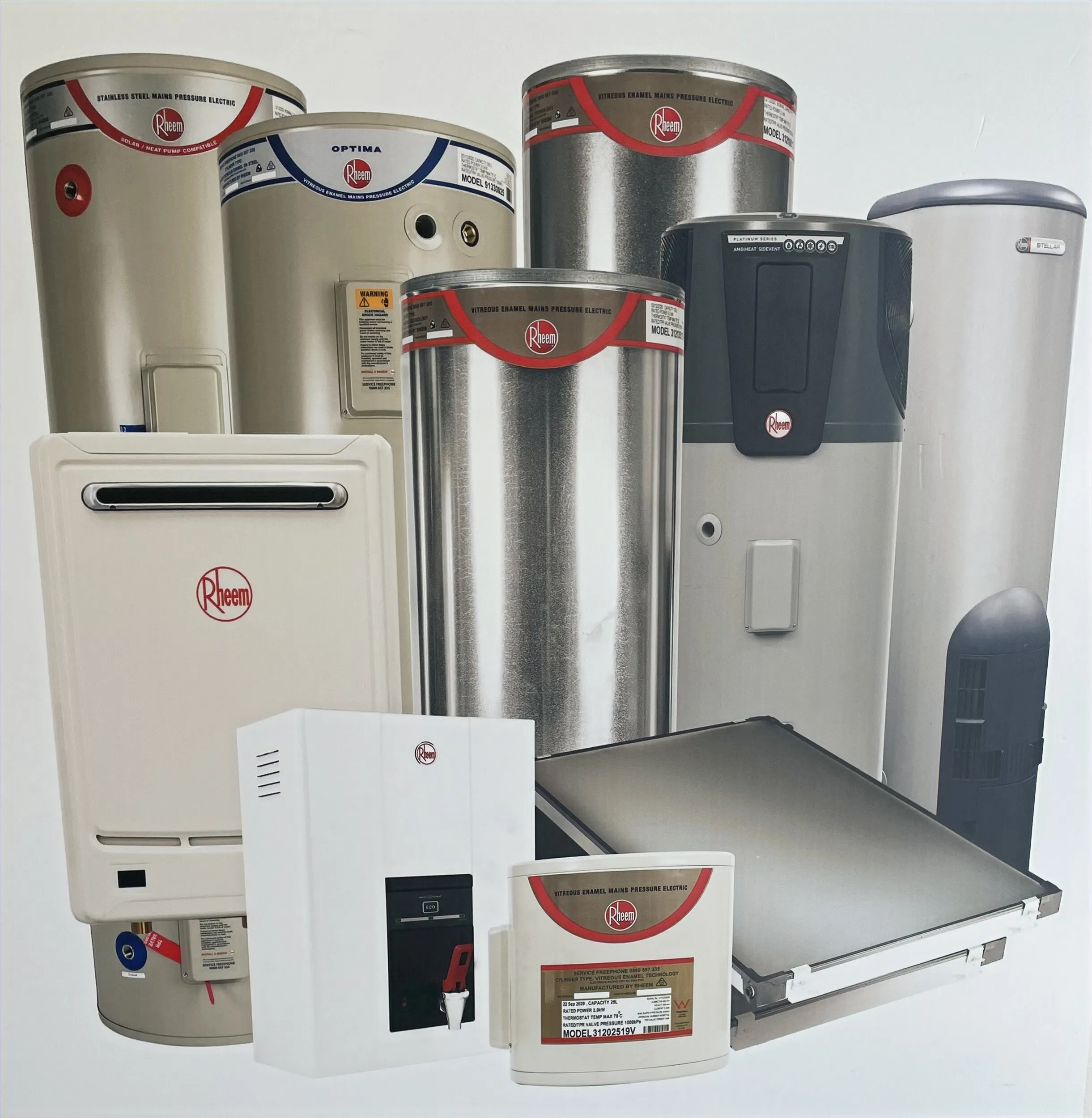
Hot Water Cylinder Repairs & Replacement
No hot water is one of those problems that goes from annoying to unbearable in about a day. We repair and replace hot water cylinders across the North Shore, and we will tell you honestly whether yours is worth fixing or whether you are throwing money at something that is about to fail anyway.
No hot water right now?
Before you ring anyone, two quick things worth checking:
Electric cylinder: check the switchboard. A tripped breaker is a five second fix and it happens more often than you would think.
Water around the base of the cylinder, or rusty water from the hot tap: stop there and call us. That is a failing cylinder, and the longer it sits the more chance you have of a flooded cupboard or ceiling.
If neither of those is it, give us a call and we will work out what is going on.
Repair or replace? The honest answer
Not every cylinder problem means a new cylinder. Plenty of the jobs we go to are a failed element, a thermostat, or a valve, and those are a fraction of the cost of a replacement.
What we look at:
How old it is. A copper cylinder typically lasts fifteen to twenty five years. Under ten and a repair is usually worth it. Past twenty and you are spending money on borrowed time.
What has actually failed. Elements, thermostats and valves are replaceable. A leaking cylinder body is not.
What it is costing you to run. An old low pressure cylinder with tired insulation quietly costs money every month.
If a repair is the right call, we will tell you, even though a replacement is the bigger job. That is the whole point of using someone who is not paid on commission.
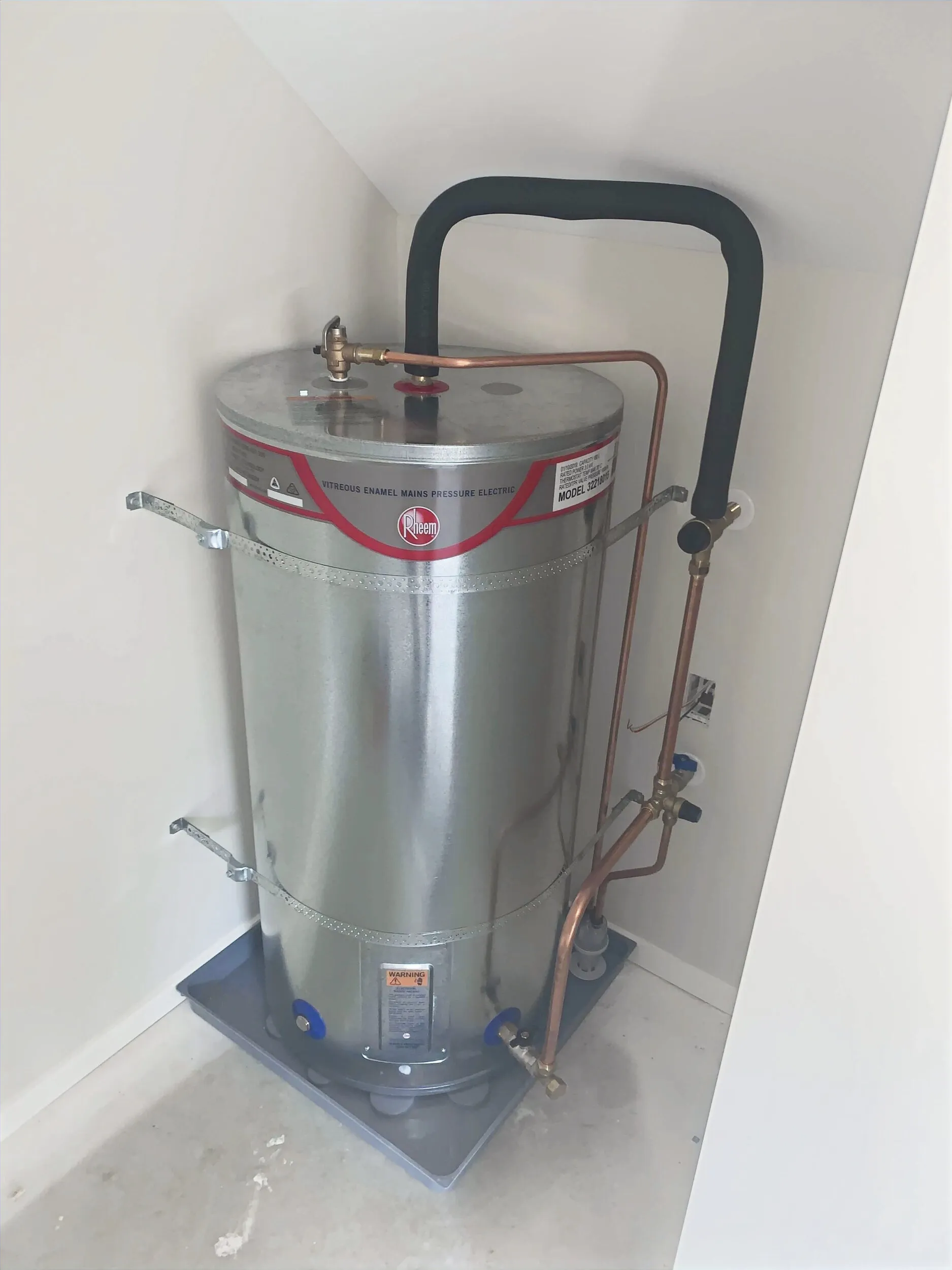
Signs your cylinder is on the way out
- Hot water runs out faster than it used to
- Water is lukewarm rather than properly hot
- Rusty, brown or discoloured water from the hot tap
- Damp, drips or staining around the base or in the cupboard
- Banging, rumbling or hissing while it heats
- The cylinder is over twenty years old and has never been touched
What we work on
- Electric storage cylinders, repair and replacement
- Low pressure to mains pressure upgrades
- Outdoor and external cylinders
- Element, thermostat and valve replacement
- Tempering valves and pressure relief valves
- Cylinder leaks and failed connections
- Sizing and installing a new cylinder for a renovation or extra bathroom
For gas continuous flow and califont systems, see our gas hot water page.
Thinking about mains pressure?
A lot of older North Shore homes still run a low pressure cylinder fed from a header tank in the roof. It works, but it is why the shower drops to a trickle when someone runs the kitchen tap.
Upgrading to mains pressure is the single biggest difference most people notice in an older home. It is more than swapping the cylinder though. Pipework, valves and sometimes the fixtures need to handle the higher pressure, so it is worth doing properly and worth quoting properly. We will tell you what your place actually needs rather than quoting a cylinder and discovering the rest later.
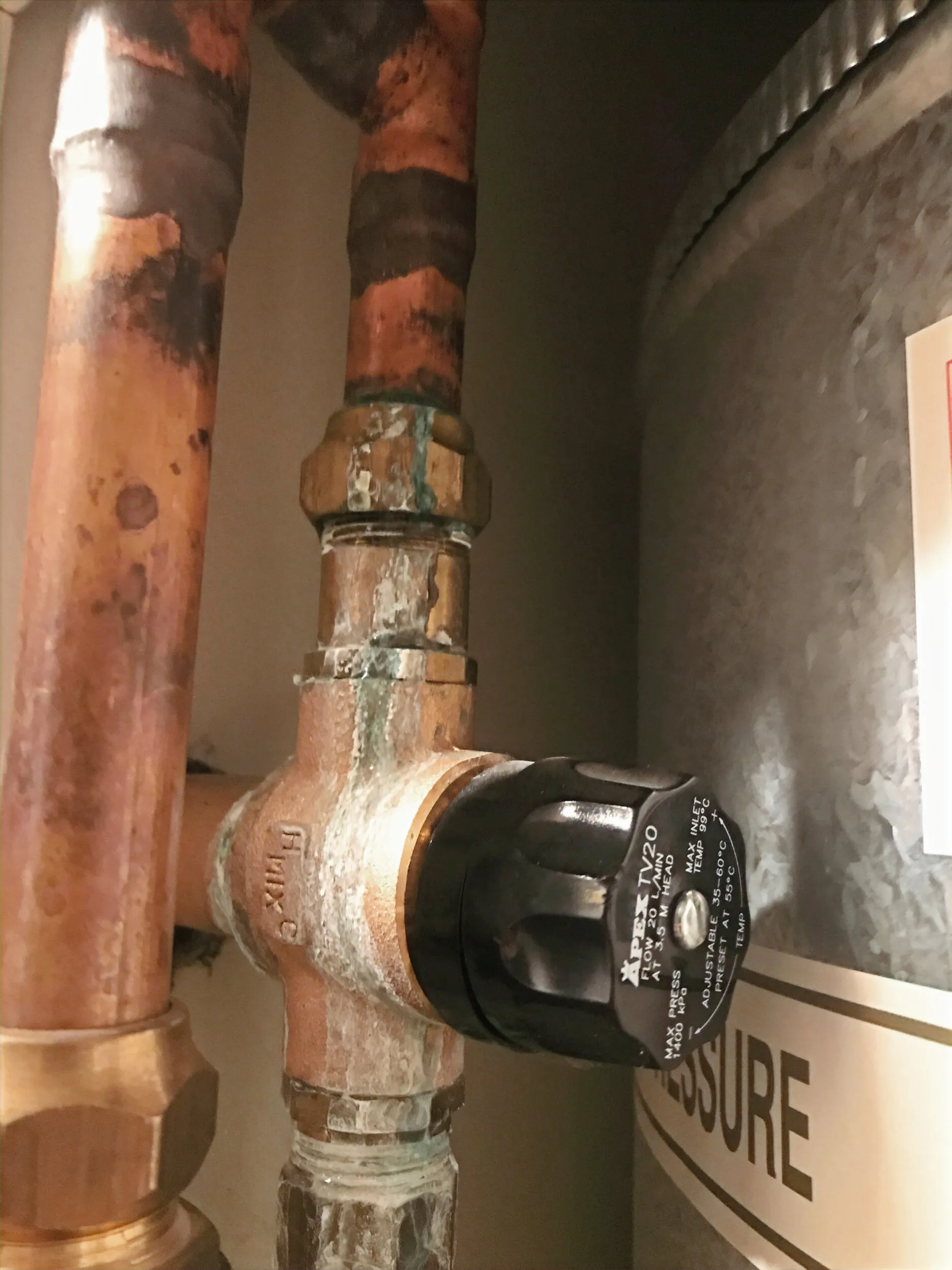
Doing it to code
A cylinder replacement is not just a swap. Current requirements usually mean a tempering valve so the water reaching your taps is not dangerously hot, correctly rated pressure relief, and a safe tray with a drain where a leak could damage the building.
Older installations often do not have all of this, which is why a replacement sometimes involves more than the cylinder itself. We will explain what your install needs and why, before you agree to anything.
On the North Shore
Based in Birkenhead, working across Takapuna, Devonport, Northcote, Glenfield, Beach Haven, Birkdale, Albany, Browns Bay, Torbay, Long Bay, Mairangi Bay, Milford and Campbells Bay.
Qualified tradesmen only. No apprentices running the show, no rushed jobs, and the cupboard left cleaner than we found it. Rated 5.0 out of 5 from 12 reviews on Google.
Part of our plumbing services across Auckland's North Shore.
Common questions
How long should a hot water cylinder last?
A copper cylinder typically lasts fifteen to twenty five years, and stainless steel often longer. Past twenty years it is worth knowing your options before it fails rather than after, because a cylinder that goes in the middle of the night is a much bigger mess than one replaced on a planned day.
My water is hot but runs out quickly. Is the cylinder dying?
Not necessarily. It is often a failed lower element or a thermostat, which is a much smaller job than a replacement. It can also mean sediment has built up and reduced the usable capacity. Worth having it looked at before assuming the worst.
Why is my hot water rusty or discoloured?
That is usually corrosion inside the cylinder, and it generally means the cylinder is near the end of its life. It is one of the few symptoms where replacement is almost always the answer.
Can I just swap it for the same cylinder to keep the cost down?
Sometimes, but not always. Requirements have changed over the years, so an old install may need a tempering valve, updated relief valve or a safe tray added when the cylinder is replaced. We will tell you what applies to your place before you commit.
More from HW Group
Ready for your next project?
Reach out for a no-obligation consultation. Tell us what you need done and we'll come back to you with clear next steps, Monday to Friday, 7am to 5pm.
Prefer to talk it through? Call 027 687 3363.